Buddhism in China
Buddhism is followed by about 16% of China’s population, equating to over 228 million people. It is believed that Buddhism traveled to China during the first century AD during the time of the Han dynasty by missionaries traveling from India using Chinese trade routes. Buddhism is one of the five major religions that the Chinese government formally recognizes: Protestantism, Catholicism, Islam, Buddhism, and Daoism. Originally, Buddhism and its teachings were often confused with Daoism, and people saw many similarities between these two religions.
Buddhism originated from a single person named Siddhartha Gautama who is more commonly known as the Buddha and was the first person to reach enlightenment. Buddhists generally do not believe in any type of deity but rather think of life as a “cycle” where you are meant to struggle and be reincarnated. They believe that there is a way to break free of this cycle of suffering and reach a state of enlightenment called “nirvana.” The reason Siddhartha Gautama is considered the founder of Buddhism is because he was the first person to reach this state of enlightenment.
Siddhartha Gautama began his life as an Indian prince, who realized the pain that the people of India were experiencing. He noted that a fundamental part of all human life is suffering. He left his family and decided that he would spend his life meditating and trying to discover the source of suffering. Eventually, after traveling and spending time pondering life and the paths he could take, Siddhartha Gautama sat under the Bodhi tree, which is considered the tree of awakening. He did not eat or drink for weeks as he reached a state of deep meditation. After forty-nine days, Siddhartha Gautama achieved enlightenment.
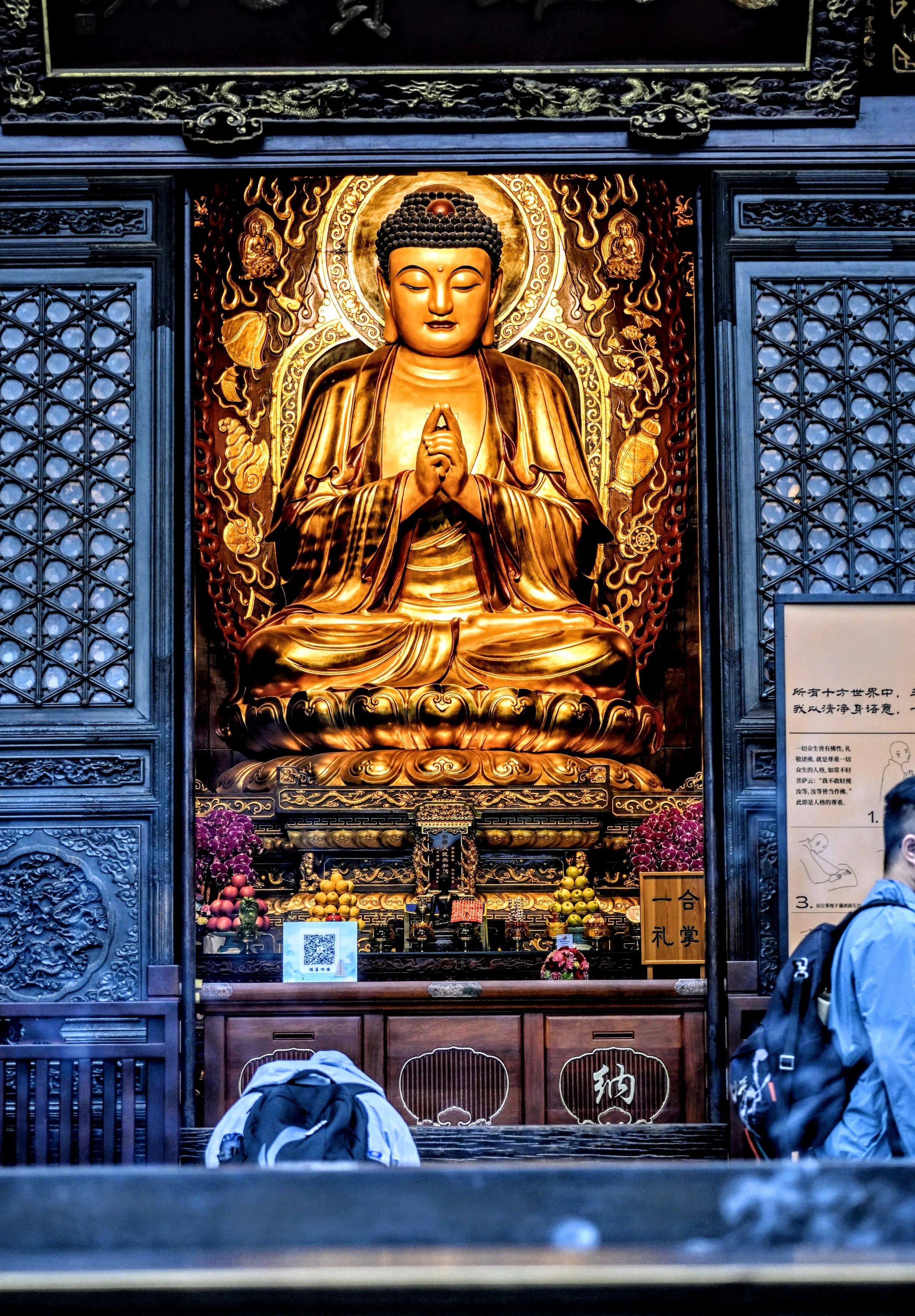
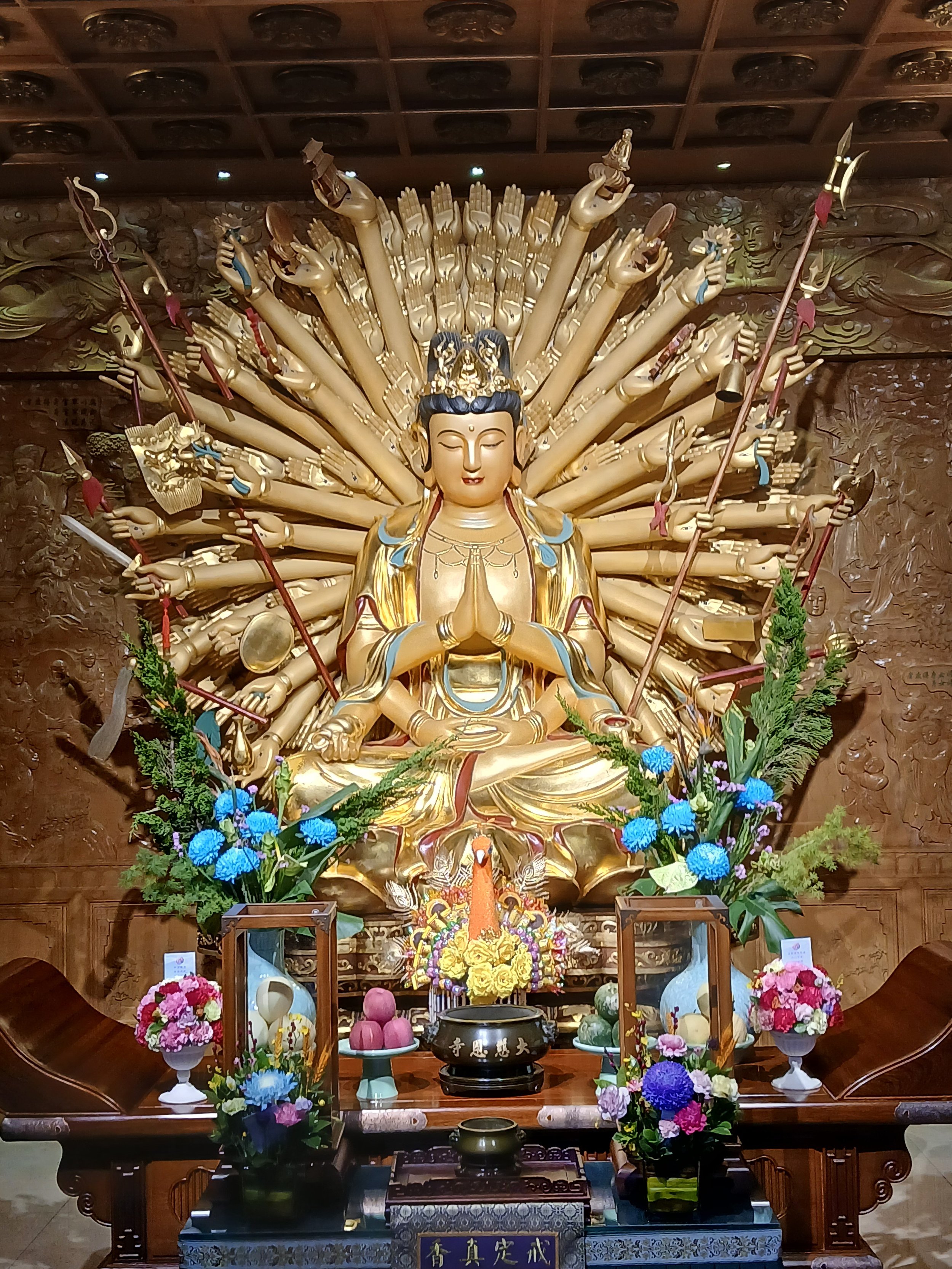
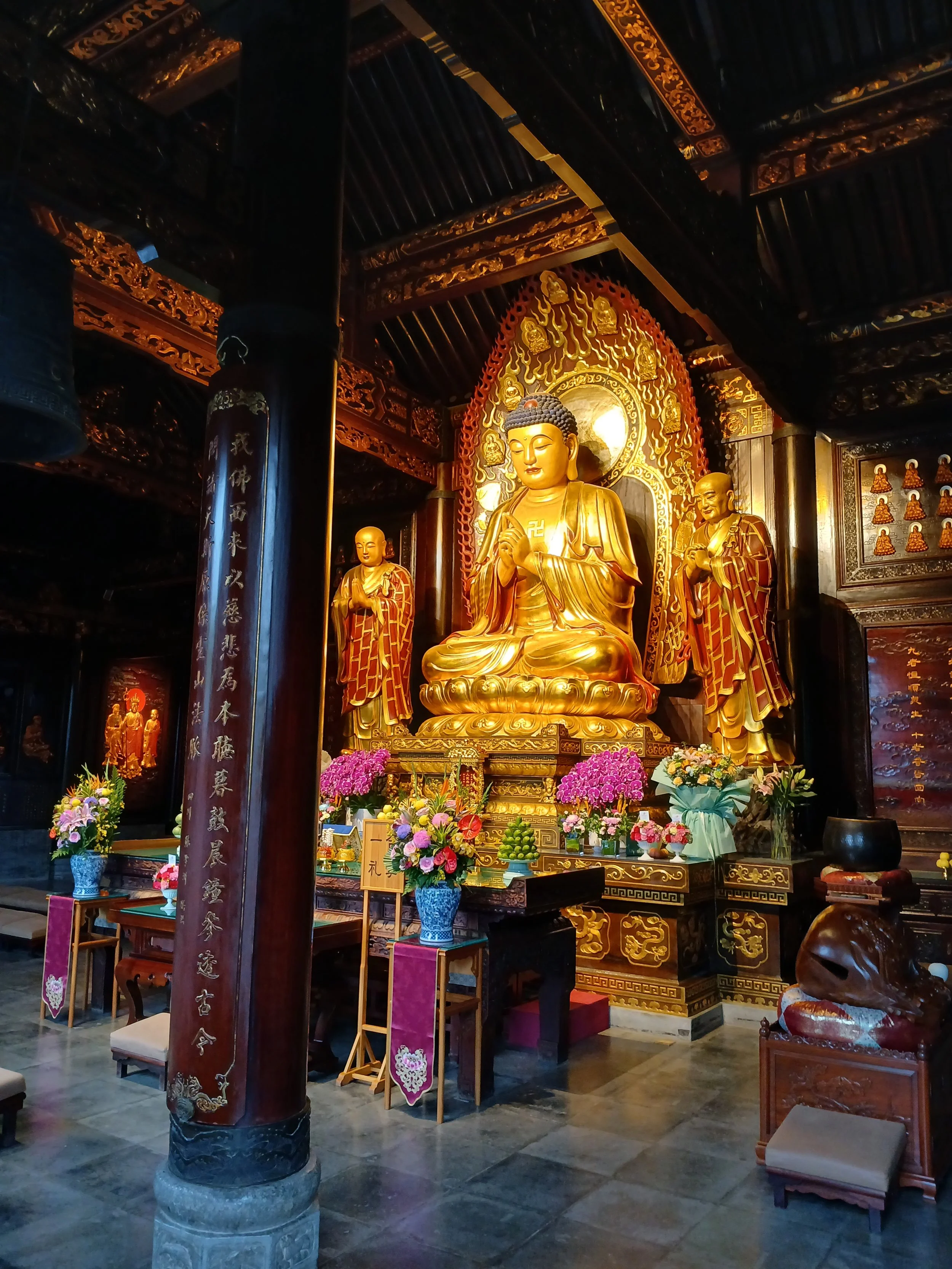
In modern-day China, Buddhism has infiltrated nearly every aspect of daily life. Many practicing Buddhists perform meditation and make offerings every day. This may include offering gifts at a temple like incense, food, and flowers. Buddhism has also fundamentally impacted Chinese architecture and art. A specific example of this can be seen in the widespread appearances of the Buddha in art. When considering the economic impact that Buddhism has had on China, it is said that the development of religious institutions (specifically monasteries) has encouraged the growth of new cities. This attracted new traveling traders and artisans. Although Buddhism was first introduced to China during the Han dynasty (206 BCE – 220 CE), it began to spread toward China’s emperors during the Tang dynasty (618 – 907 CE). This substantially advanced the spread of Buddhism to citizens, who followed the influence of their rulers.
Overall, in China, Buddhism has split into three primary branches. Han Buddhism focuses on ancestor worship; Tibetan Buddhism focuses on ritual practices that originated in Tibet; and Theravada Buddhism’s teachings are believed to more directly originate from the Buddha. Buddhism is currently the second most followed religion in China. However, according to some studies, the number of worshipers in China is expected to decrease. Scientists say this is because China’s population of Buddhist worshippers is aging and low birth rates in China are not sufficient to replace the aging population.